
The Allure of Gambling
Casino games possess an intrinsic allure that captures the fascination of players around the globe. This attraction is deeply ingrained in human psychology, appealing to fundamental aspects of our behavior and emotional desires. The thrill associated with the possibility of winning substantial amounts of money elicits a dopamine rush, igniting excitement and compelling individuals to engage in various games, particularly those that offer online casino fast withdrawal options that enhance convenience. This response is not solely driven by financial aspiration but rather reflects a primal urge to conquer challenges and make decisions amid uncertainty, thus enhancing the overall gambling experience.
Moreover, the ambiance of a casino significantly amplifies the allure of gambling. The bright lights, engaging sounds, and visually stimulating games create an immersive sensory environment that heightens anticipation and excitement. These environmental factors effectively distract players from the unfavorable odds stacked against them, allowing emotions and impulses to overshadow logical decision-making processes. As a result, players may find themselves ensnared in a cycle of play, motivated by the emotional highs stemming from both wins and losses, which can create a compelling yet perilous experience.
The gamification aspect of gambling further intensifies this allure. Many casino games are designed to engage players through elements of skill and strategy, leading to a false sense of control over outcomes. Despite the inherent randomness in games of chance, players often develop the illusion that their choices impact results, a cognitive distortion known as the illusion of control. This belief can result in repeated play, as individuals may feel empowered to influence their luck, making it increasingly difficult to detach themselves from the casino experience.
Cognitive Biases in Gambling
Cognitive biases significantly affect how players perceive and participate in casino games. One prevalent bias is the gambler’s fallacy, where individuals mistakenly believe that past events somehow influence future outcomes. For example, a player may think that a slot machine is “due” for a payout following a series of unsuccessful spins. This misconception can lead to prolonged betting and increased financial losses, as rational thinking is overshadowed by emotional investment and an overestimation of one’s ability to predict outcomes.
Another noteworthy cognitive bias is confirmation bias, where players selectively seek information that supports their beliefs about their luck or skill. This leads to a skewed perception of their performance, as they tend to remember wins while conveniently forgetting losses. Over time, this biased recollection can cultivate an unrealistic belief in one’s gambling abilities, prompting continuous play despite mounting financial setbacks. Understanding these biases is crucial for recognizing why many players struggle to quit when faced with losses.

Additionally, the concept of loss aversion plays a pivotal role in gambling psychology. Research indicates that losses tend to weigh more heavily on an individual’s psyche than comparable gains. Consequently, the fear of losing money may drive players to chase their losses, leading them into a potentially destructive cycle. The desire to recover lost funds often takes precedence over logical reasoning, pushing players to gamble more than they originally intended. Recognizing these cognitive biases can help individuals comprehend the psychological forces that keep them engaged in gambling activities.
The Role of Near Misses
Near misses in casino games exert a profound psychological impact on players. A near miss occurs when a player almost wins but ultimately falls short, such as landing two out of three matching symbols on a slot machine. These near misses can generate a false sense of hope and motivate further play, as players interpret them as signals that a win is just around the corner. This phenomenon is particularly noticeable in games of chance, where the inherent randomness of outcomes can distort perceptions of skill and success.
The psychology behind near misses often ties back to the principles of reinforcement. In operant conditioning, near misses serve as a form of positive reinforcement, creating a sense of being close to achieving a reward. This intermittent reinforcement can be more compelling than consistent wins or losses, leading to prolonged engagement with the game. The brain’s reward center is activated by these near misses, reinforcing the behavior and increasing the likelihood of players returning to the gaming floor, despite the odds being unfavorable.
Furthermore, the social dynamics within a casino amplify the impact of near misses. Players often witness others winning or experiencing near misses, fostering a shared sense of excitement and anticipation. This collective energy can encourage individuals to remain in the gaming area, hoping to replicate the successes or near successes of those around them. Ultimately, near misses contribute to a compelling cycle of play that keeps players engaged, despite the unfavorable odds they may face.
Emotional Decision-Making in Gambling
Emotions significantly influence decision-making processes, particularly in the realm of gambling. Players often find themselves in a heightened emotional state while participating in casino games, which can overshadow rational thought. The exhilaration of a win can lead to euphoric feelings, while a loss can evoke frustration or desperation. These emotional states can cloud judgment, resulting in impulsive betting behaviors that deviate from typical decision-making patterns, thereby complicating the player’s relationship with gambling.
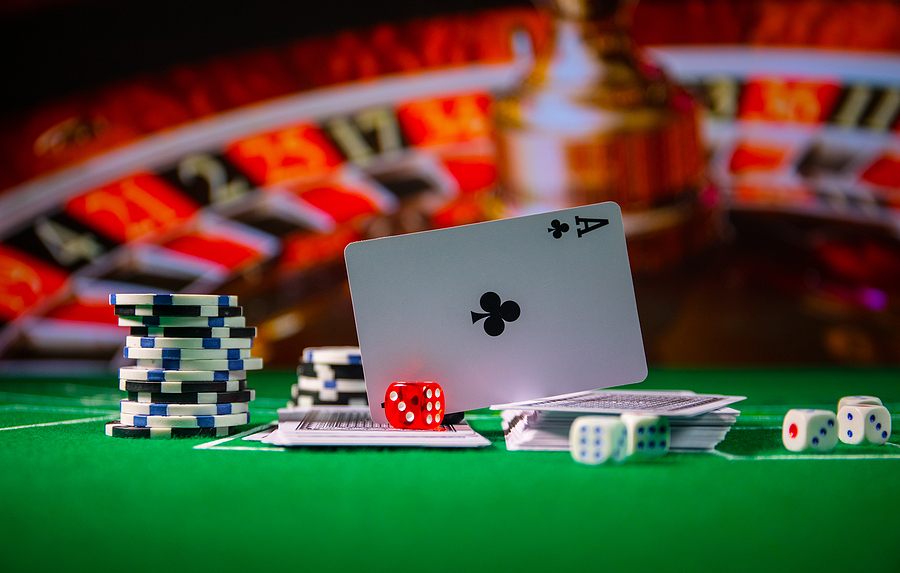
Additionally, the social dynamics present within a casino can further influence emotional decision-making. The presence of other players, the sounds of excitement, and collective celebrations can amplify emotions, leading individuals to make choices they might not typically consider. For instance, witnessing a friend win may compel an individual to increase their stakes, under the belief that the environment’s excitement will shift their luck. This communal atmosphere can reinforce the cycle of play, where emotional highs and lows are experienced collectively, further entrenching players in the gambling experience.
Moreover, the coping mechanisms individuals utilize in response to wins and losses reflect deeper psychological factors. Many players may engage in gambling as a form of escapism, seeking to alleviate stress or anxiety through the thrill of the games. This reliance on gambling for emotional regulation can create a dangerous dependency, making it essential for players to recognize their psychological motivations for participating in casino activities. By understanding these emotional drivers, players can better navigate their gambling habits.
Understanding Casino Games and Player Behavior
By delving into the psychological principles underlying casino games, players can gain valuable insights into their behaviors and motivations. Awareness of cognitive biases, emotional influences, and the casino environment’s impact empowers individuals to make more informed decisions regarding their gambling habits. This understanding is crucial for maintaining a healthy relationship with gambling and minimizing associated risks, ultimately promoting a more balanced approach to gaming.
Moreover, casinos continuously adapt their strategies to captivate players, leveraging psychological insights to craft engaging gaming environments. From loyalty programs to interactive games, casinos aim to enhance the player’s experience and encourage repeat visits. By understanding these tactics, players can remain vigilant about their susceptibility to manipulation, enabling them to approach gambling with a more critical mindset and making conscious choices about their gaming activities.
Exploring the psychology behind casino games highlights the importance of self-awareness in gambling. Whether viewed as entertainment or a hobby, recognizing the psychological factors at play can lead to healthier gambling practices. Through education and an active engagement with these concepts, players can navigate the captivating world of gambling more responsibly and consciously, ensuring that their experiences remain enjoyable and safe.
Comentarios recientes